If you’re visiting Egypt for the first time, some destinations are easier to experience than others. This guide highlights the best places to visit in Egypt for first-time travelers. Egypt is home to some of the most recognizable landmarks on Earth. For thousands of years, its monuments, temples, cities, and cultural sites have drawn travelers, historians, and explorers from around the world. From ancient wonders that predate most civilizations to vibrant modern districts, Egypt offers an extraordinary range of attractions that continue to captivate visitors today.
This guide explores the most famous tourist attractions in Egypt, highlighting the sites that define the country’s global reputation and make it one of the world’s most iconic travel destinations.
The Great Pyramids of Giza
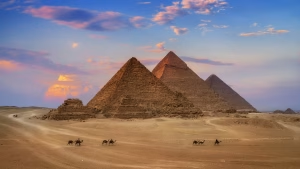
The Great Pyramids of Giza are Egypt’s most famous symbols and among the most remarkable architectural achievements in human history. Built over 4,500 years ago, these massive stone structures have stood the test of time and remain one of the Seven Wonders of the Ancient World.
Located on the Giza Plateau near Cairo, the pyramids continue to inspire awe with their scale, precision, and enduring mystery. No visit to Egypt is complete without seeing them in person.
The Great Sphinx

Standing guard near the pyramids, the Great Sphinx is one of the world’s most recognizable statues. With the body of a lion and the head of a pharaoh, the Sphinx has become an enduring symbol of ancient Egypt’s power and artistry.
Its purpose and origins have fascinated scholars for centuries, adding to the intrigue surrounding the Giza Plateau.
Grand Egyptian Museum

The Grand Egyptian Museum represents a modern chapter in Egypt’s long history. Located near the pyramids, this state-of-the-art museum houses one of the most extensive collections of ancient artifacts ever assembled.
Designed to present Egypt’s heritage in a contemporary setting, the museum offers visitors an immersive way to experience thousands of years of civilization under one roof.
Karnak Temple

Karnak Temple is one of the largest religious complexes ever built. Situated in Luxor, this vast site features towering columns, detailed carvings, and monumental gateways that reflect centuries of construction by different pharaohs.
Walking through Karnak gives visitors a powerful sense of the scale and ambition of ancient Egyptian civilization.
Luxor Temple

Located in the heart of modern Luxor, Luxor Temple offers a unique blend of ancient and contemporary Egypt. Unlike many archaeological sites, it was built as a living temple connected to the city itself.
Illuminated at night and easily accessible, Luxor Temple is one of the most atmospheric sites in the country.
Valley of the Kings


Hidden within the hills of Luxor’s West Bank, the Valley of the Kings served as the burial ground for Egypt’s New Kingdom pharaohs. Here, elaborately decorated tombs were carved deep into the rock to protect royal remains and treasures.
The valley is best known for the tomb of Tutankhamun, but many other richly adorned tombs can be explored by visitors.
Abu Simbel

Carved directly into a mountainside, the temples of Abu Simbel stand as a testament to ancient Egypt’s engineering brilliance. These colossal statues were relocated in the 20th century to save them from flooding, an effort considered one of the greatest archaeological preservation projects ever undertaken.
Today, Abu Simbel remains one of Egypt’s most awe-inspiring landmarks.
Philae Temple


Located on an island near Aswan, Philae Temple is dedicated to the goddess Isis and is renowned for its elegant design and serene setting. Accessible by boat, the temple’s location adds to its sense of tranquility and beauty.
Philae is especially popular for its evening sound-and-light shows, which bring ancient stories to life.
Bibliotheca Alexandrina

The Bibliotheca Alexandrina is a modern tribute to the ancient Library of Alexandria, once the greatest center of learning in the ancient world. Today, it serves as a cultural hub featuring museums, exhibitions, and a vast reading space overlooking the Mediterranean Sea.
The library symbolizes Alexandria’s historical role as a crossroads of knowledge and culture.
Khan El Khalili

Khan El Khalili is Cairo’s most famous bazaar and a living piece of history. Its narrow streets are filled with shops selling spices, jewelry, textiles, and traditional crafts.
Visiting the bazaar offers travelers a chance to experience local life, centuries-old trading traditions, and the vibrant energy of Cairo.
Nile River

The Nile River is more than a landmark — it is the lifeblood of Egypt. Flowing through the country from south to north, the Nile has supported civilization here for thousands of years.
From riverside temples to modern cities, many of Egypt’s most famous attractions are found along its banks, making the Nile central to the country’s identity.
Red Sea

Beyond its historical treasures, Egypt is also known for its natural beauty along the Red Sea. Crystal-clear waters, coral reefs, and sandy beaches make this region a favorite for relaxation and water activities.
The Red Sea provides a striking contrast to Egypt’s ancient monuments and adds diversity to the country’s tourist attractions.
Final Thoughts
Egypt’s most famous tourist attractions tell a story that spans millennia — from monumental pyramids and sacred temples to modern cultural institutions and lively urban spaces. Together, these landmarks create a destination unlike any other in the world.
Whether drawn by ancient history, architectural marvels, or cultural experiences, visitors to Egypt encounter a country where the past and present exist side by side, leaving a lasting impression long after the journey ends.